“The Food Goes Up and the Product Goes Down”: Mothers, Hunger, and COVID-19 in a Mexican Fishing Village
A moving and rigorous study from Bahia de Kino Viejo reveals what happens when a community already struggling with food insecurity is hit by a pandemic — and what it really takes for nutrition education to make a difference.
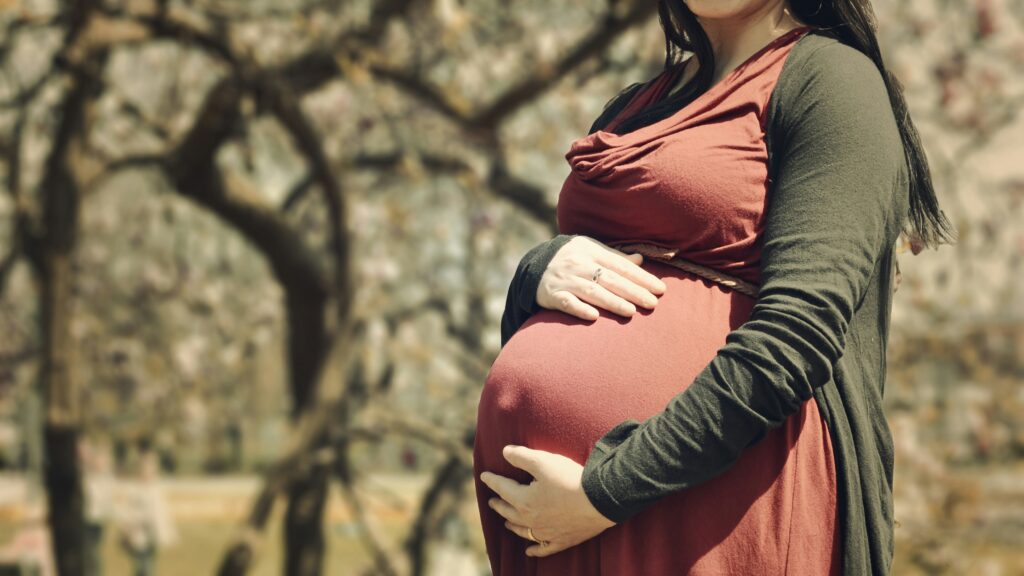
Before the pandemic, mothers in this small fishing community on Mexico’s northwest coast were already stretching every peso to put food on the table. When COVID-19 hit, a father’s daily income collapsed from $88 to $13. Shellfish that once fetched 80 cents a kilo now sold for 30. And yet, researchers arrived asking whether mothers had managed to follow advice about eating more fruits and vegetables.
The answer — and the way these mothers articulated it — forms the heart of a powerful new study published in Biotecnia, the journal of the University of Sonora. It is a study that asks not just whether nutrition education works, but under what conditions it can realistically be expected to.
The Community: A Place Caught Between Sea and Scarcity
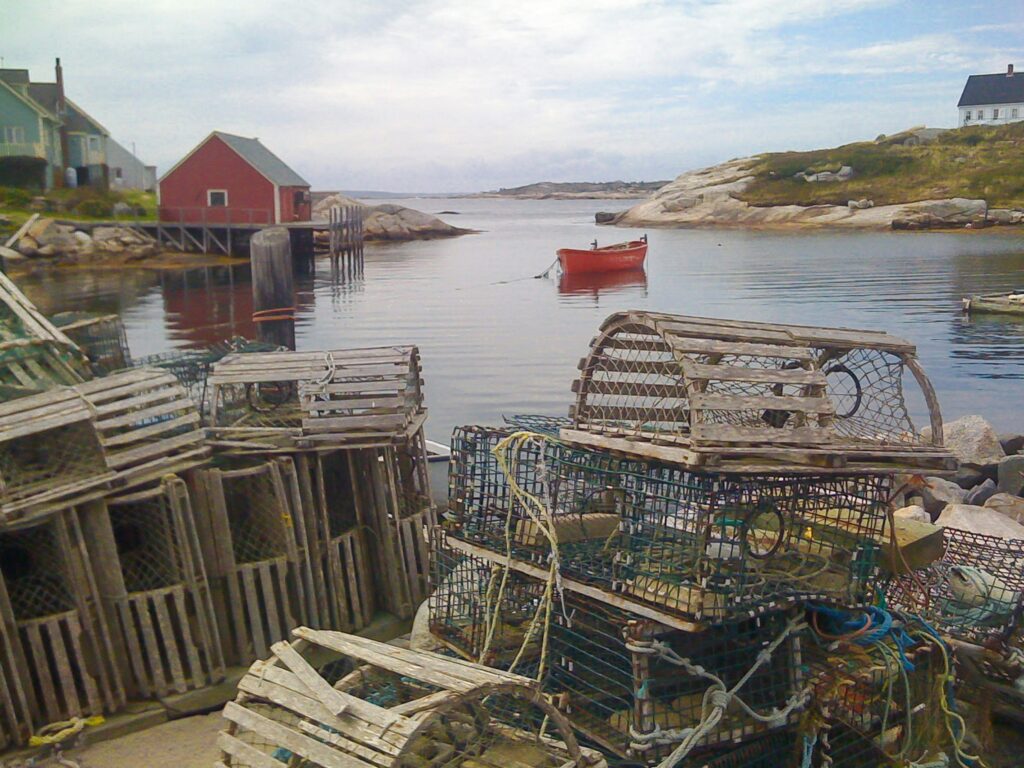
Bahia de Kino Viejo sits on the coast of Sonora in northwest Mexico. To the tourist, the name Bahia de Kino evokes beaches and seafood. But the town is divided sharply in two. Kino Nuevo — white sands, holiday homes, residential tourism. Kino Viejo — the original fishing settlement, where the participants of this study live, and where poor public services, unemployment, low income, social precariousness, and poverty define daily life.
Fishing is not just an industry here. It is a cultural identity, a way of life passed down through generations. And it is deeply precarious — because what a family eats, and whether they can afford to eat at all, depends almost entirely on what the sea yields and what buyers are willing to pay for it that week.
Fishing families face a double vulnerability: their food security depends on consuming what they catch AND on selling it to buy everything else they need. When fishing income drops — whether from low buyer prices, seasonal closures, or a pandemic — the entire household food supply is at risk simultaneously.
What the Study Set Out to Do
Researchers from the University of Sonora worked with 95 mothers and 92 school-aged children in Bahia de Kino Viejo across several years. The project began with baseline surveys in 2016–2017, moved into five nutrition education workshops in 2018–2019, and then conducted follow-up interviews — some of which, by necessity, had to be done by phone once COVID-19 made in-person visits impossible in 2020.
- Socioeconomic survey and the Mexican Food Security Scale applied to 95 mothers to assess household conditions and food insecurity levels before the intervention
- Five nutrition education workshops held weekly in both local elementary schools, covering nutrients, food guides, sugar and sodium, hydration, and hygiene — for both children and mothers simultaneously
- Reinforcement activities scored from 0–10 at each workshop to assess children’s learning; children needed 30+ total points to pass the course
- Semi-structured interviews conducted with all 95 mothers before the pandemic, then by telephone with 34 mothers during the pandemic, to capture perceived barriers
- Logistic regression to analyse the link between food insecurity and workshop performance; constant comparison method used for qualitative data
The Families: A Portrait of Everyday Hardship
Before a single workshop began, the baseline data painted a vivid picture of the families involved. Average monthly household income was just USD $360 — of which 65% went directly to buying food, leaving very little for anything else. Nearly two-thirds of mothers had only elementary or junior high school education. One in three households was already receiving government social assistance.
Most striking of all: 64.2% of households were food insecure before the pandemic even began.
This was the baseline from which mothers were expected to learn about dietary diversity, food group recommendations, and healthy beverage choices.
The Workshops: What Worked, and for Whom
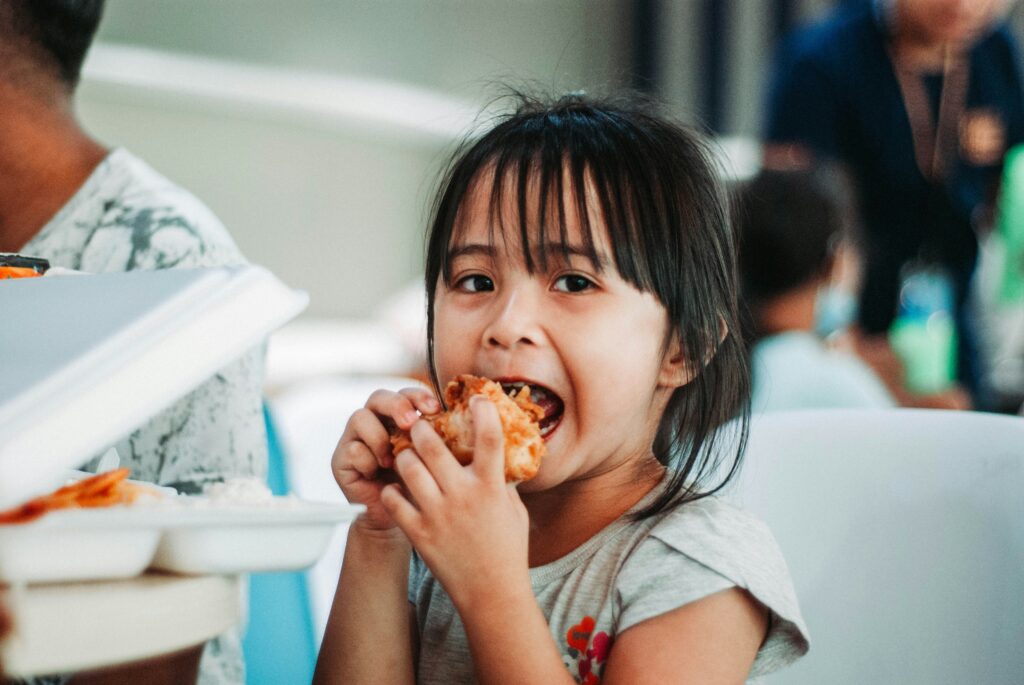
Despite the difficult circumstances, the workshops achieved meaningful results. Attendance was high, and 74% of children passed the nutrition education course overall. More than 72% correctly classified foods into their appropriate food groups. Over half could identify foods high in sugar, sodium, and fat.
But one finding cast a long shadow over these successes: children from severely food-insecure households were 9.07 times more likely to fail the workshops than children from food-secure homes — even after adjusting for age and sex.
Severely food-insecure children had 9.07× higher odds of not passing the nutrition education workshops (p = 0.01, 95% CI: 1.82–45.30). Older children were also more likely to fail — for each additional year of age, odds of not passing increased by 56%. The children who most needed to learn were the least able to demonstrate that learning.
This is not surprising to researchers who study food insecurity and child development. Chronic hunger and dietary inadequacy affect cognitive function, concentration, and academic performance. A child who is hungry or nutritionally depleted cannot absorb information in the same way as a well-nourished peer — even when the information is about food itself.
What Mothers Said: Six Themes from the Interviews
The interviews — both pre-pandemic and during COVID-19 — produced some of the most honest and moving testimony in recent public health literature. Six distinct themes emerged about the barriers mothers faced:
Before the pandemic, mothers consistently said vegetables, fruits, and nutritious foods cost more than they could afford — even when they knew why they mattered
Buyers stopped purchasing, prices paid to fishermen collapsed, and restaurants that bought seafood closed entirely — leaving families with almost no cash income
Despite knowing the value of meat, eggs, milk, fruits and vegetables, families stopped buying them when income fell — replacing them with beans, rice, pasta, and tortillas
Multiple mothers described feeding their children first and eating only what was left — sometimes just beans and a tortilla — while making sure the children had a better meal
Some families had prepared food reserves, but these were quickly depleted. Restrictions on travel made it impossible to access cheaper food in nearby towns
Food packages and financial assistance were distributed, but mothers reported the support reached people with connections first — and sometimes arrived up to a year late
In Their Own Words
No summary captures what these mothers described as powerfully as their own voices:
The food goes up and up and the product goes down and down. That’s when we started to struggle, because the food here is very expensive. Before the pandemic my husband earned 88.4 US dollars a day, now he earns 13.3 US dollars a day.
— Mother, 30 years oldI used to consume fruits and vegetables, but I stopped buying them to give priority to other foods such as beans and cheese, pasta, rice — the most essential.
— Mother, 41 years oldThe children eat the best and we, well, if we can, we get an egg or a tortilla with beans, but for the children there is, let’s say, a chicken soup… Me and my father eat beans. It’s better for us to get sick than for the children to get sick.
— Mother, 24 years oldYes, I’m hungry, but the children have to eat.
— Mother, 24 years oldThese are not statements of ignorance. These are statements of impossible choices made by mothers who understood exactly what healthy eating looks like — and simply could not afford it.
The Central Lesson: Knowledge Is Not Enough
This is perhaps the most important finding of the entire study. These mothers knew what good nutrition meant. They had attended the workshops, received the manuals, learned the food guides. The problem was never a lack of knowledge.
The problem was that healthy food costs money they did not have.
This exposes a fundamental tension at the heart of nutrition education as a public health strategy. It is valuable — genuinely so. It changes attitudes, builds skills, and can help people make better use of limited resources. But it cannot create purchasing power where none exists. It cannot lower food prices in an isolated coastal village. And it cannot replace the income that evaporated when global seafood markets collapsed during a pandemic.
Why This Matters for Public Health Policy
Food insecurity affects 44.6% of Mexican households, according to the most recent national survey data. Globally, nearly 29% of the world’s population lacks adequate food. For those households, nutrition education is often presented as a primary intervention — and it does help. But this study issues an important corrective: education alone is not enough.
Improving nutrition in food-insecure communities requires a parallel commitment to economic empowerment: income support programs, food subsidies, price regulation of healthy staples in isolated communities, and financial protection when livelihoods are disrupted. Without these, even the best-designed nutrition workshops are asking people to change behaviours that they literally cannot afford to change.
Fishing communities face particular vulnerability because their food and income are both tied to a single, unpredictable resource. The COVID-19 pandemic made viscerally clear what food researchers already knew: in communities like Bahia de Kino Viejo, the margin between stability and crisis is razor-thin.
Key Takeaways from the Research
- Food insecurity is pervasive: Nearly two-thirds of households in this fishing community were food insecure before the pandemic — a crisis that predates COVID-19 and will outlast it
- Severe food insecurity damages children’s learning: Children from the most deprived households were 9× more likely to fail the nutrition workshops, highlighting how poverty undermines educational interventions
- Mothers sacrifice themselves: Multiple women described going without food so their children could eat — a hidden dimension of household food insecurity that nutrition surveys often fail to capture
- The pandemic compounded every existing vulnerability: Incomes collapsed, food prices rose, healthy foods became unaffordable, and government support was insufficient and unequal
- Nutrition education is necessary but not sufficient: Knowledge alone cannot overcome poverty. Comprehensive interventions must combine education with income support, food subsidies, and economic resilience programs
The mothers of Bahia de Kino Viejo did not need to be told that fruits and vegetables are healthy. They already knew. What they needed — and what public health systems must find better ways to provide — was the means to act on that knowledge, even when the sea stopped paying.